Why One Cataract Surgeon May Recommend a Different Lens Than Another
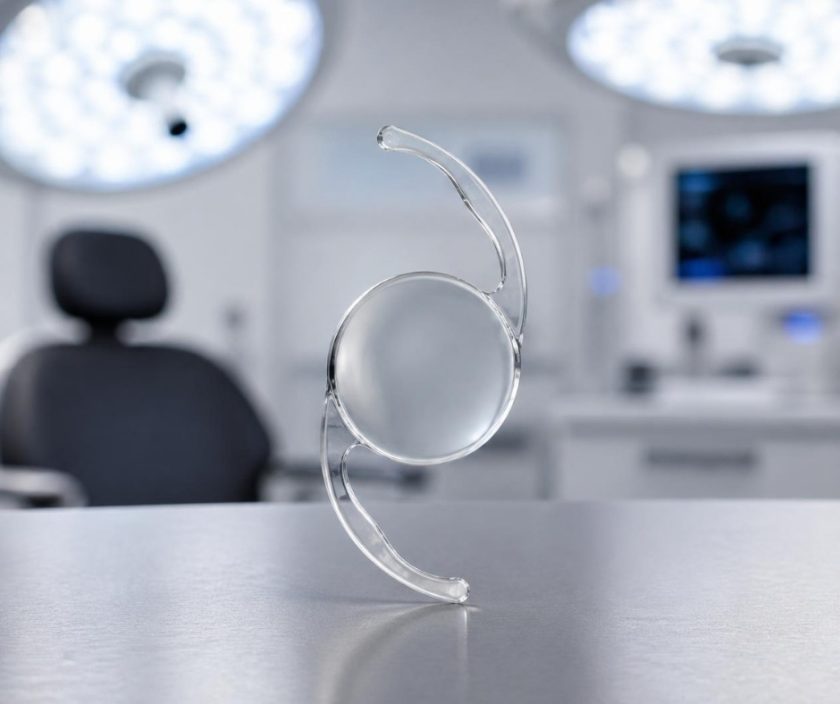
If you’ve spoken to friends or family who have had cataract surgery, you may have noticed something surprising: they were all offered different types of intraocular lenses (IOLs). One person was recommended a monofocal lens, another a multifocal lens, while someone else received an extended depth of focus (EDOF) lens or a toric lens.
This often leads to an understandable question:
“Why would one cataract surgeon recommend a different lens than another?”
The answer is simple: there is rarely one “best” lens. There is only the lens that is best for your individual eyes, lifestyle and visual priorities.
Cataract Surgery Is More Than Removing a Cataract
Modern cataract surgery is one of the most successful procedures performed worldwide. While removing the cloudy natural lens restores clarity, replacing it with an artificial lens is an opportunity to tailor vision for the future.
Today’s cataract surgeons can choose from a wide range of lens technologies, including:
- Monofocal lenses
- Toric lenses for astigmatism
- Extended Depth of Focus (EDOF) lenses
- Multifocal and trifocal lenses
- Enhanced monofocal lenses
Each has advantages, limitations and ideal patient groups.
Different Surgeons May Have Different Philosophies
Just as no two patients are identical, no two surgeons practise in exactly the same way.
Some surgeons have extensive experience with premium lenses and may recommend them frequently. Others may prefer more conservative options that prioritise crisp distance vision with reading glasses when required.
Neither approach is necessarily right or wrong.
Experienced cataract surgeons develop recommendations based on:
- Their surgical experience
- Published clinical evidence
- Long-term patient outcomes
- Their understanding of each lens technology
- Individual patient expectations
The important question isn’t “Which lens does the surgeon like?”
It’s “Why is this lens being recommended for me?”
Your Eyes May Not Suit Every Lens
Many patients assume they can simply choose whichever premium lens they prefer. In reality, the health of your eyes often determines which options are likely to provide the best result.
Factors that influence lens selection include:
- Amount of corneal astigmatism
- Dry eye disease
- Previous laser vision correction
- Macular degeneration
- Glaucoma
- Diabetic eye disease
- Corneal irregularities
- Pupil size
- Overall retinal health
For example, a lens that performs beautifully in one patient may produce unwanted glare or reduced contrast in another. Sometimes recommending a simpler lens is actually the safest decision.
Lifestyle Matters Just As Much
Choosing an intraocular lens is about more than eyesight, it is about how you use your vision every day. A retired golfer has different visual priorities from an accountant who spends hours on spreadsheets. Someone who frequently drives at night has different needs from someone who mainly reads books.
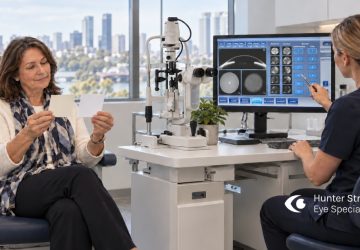
During your consultation, your surgeon should ask about your lifestyle, including:
- Driving habits
- Computer use
- Reading
- Hobbies
- Sporting activities
- Occupation
- Tolerance for wearing glasses
These conversations help determine which lens is most likely to deliver the vision that matches your expectations.
Technology Is Only One Part of the Decision
It’s easy to assume that the newest or most expensive lens must automatically be the best. In reality, premium technology is only valuable when it suits the individual patient. A highly experienced surgeon using careful assessment, detailed measurements and sound clinical judgement will often achieve better outcomes than simply choosing the latest lens available.
Successful cataract surgery depends on matching the right patient with the right lens, rather than fitting every patient with the same technology.
Why Second Opinions Can Be Helpful
Occasionally patients seek a second opinion after being offered a particular lens elsewhere.
This can be valuable, not because one surgeon is necessarily correct and another incorrect, but because it allows patients to better understand:
- Why a lens has been recommended
- The expected benefits
- Possible compromises
- Alternative options
If two experienced surgeons recommend different lenses, it often reflects differing philosophies or weighting of risks and benefits rather than one recommendation being objectively superior.
A good surgeon should be able to clearly explain why they believe a particular lens is the best choice for your eyes.
At Hunter Street Eye Specialists
At Hunter Street Eye Specialists, cataract surgery is never approached with a one-size-fits-all philosophy.
Dr Peter Sumich and Dr Ridia Lim use advanced diagnostic imaging, comprehensive assessment and extensive surgical experience to recommend the lens they believe will provide the safest and most appropriate long-term outcome for each individual patient.
Rather than promoting one particular technology, the focus is on understanding your eyes, your lifestyle and your visual goals before recommending the option that best suits you. After all, the best intraocular lens isn’t necessarily the newest or most expensive – it’s the one that’s right for you.
Thinking About Cataract Surgery?
If you’re considering cataract surgery or have questions about the different lens options available, a comprehensive consultation can help you understand which choices are most appropriate for your eyes and lifestyle.
At Hunter Street Eye Specialists, we take the time to explain the advantages and limitations of each lens option, so you can make an informed decision with confidence.
This article provides general information only and is not a substitute for personalised medical advice. Read our full disclaimer here